



Sodium Channel
Na channels; Na+ channels
Sodium channels are integral membrane proteins that form ion channels, conducting sodium ions (Na+) through a cell's plasma membrane. They are classified according to the trigger that opens the channel for such ions, i.e. either a voltage-change (Voltage-gated, voltage-sensitive, or voltage-dependent sodium channel also called VGSCs or Nav channel) or a binding of a substance (a ligand) to the channel (ligand-gated sodium channels). In excitable cells such as neurons, myocytes, and certain types of glia, sodium channels are responsible for the rising phase of action potentials. Voltage-gated Na+ channels can exist in any of three distinct states: deactivated (closed), activated (open), or inactivated (closed). Ligand-gated sodium channels are activated by binding of a ligand instead of a change in membrane potential.
Sodium Channel Isoform Specific Products
-
Sodium Channel
(629)
View all products
-
Nav1.1
(11)
View all products
-
Nav1.2
(16)
View all products
-
Nav1.3
(14)
View all products
-
Nav1.4
(14)
View all products
-
Nav1.5
(21)
View all products
-
Nav1.6
(12)
View all products
-
Nav1.7
(61)
View all products
-
Nav1.8
(41)
View all products
-
Nav1.9
(2)
View all products
All Product Categories
-
Sodium Channel Inhibitors
(619)
View all products
-
Sodium Channel Agonists
(10)
View all products
-
Sodium Channel Antagonists
(30)
View all products
-
Sodium Channel Activators
(35)
View all products
-
Sodium Channel Modulators
(30)
View all products
-
Sodium Channel Controls
(5)
View all products
-
Sodium Channel Ligands
(3)
View all products
-
Sodium Channel Related Products (802)
Related Products (802)

-
Antibodies (9)
-
Related Compound Screening Libraries (1)
-
Sodium Channel Isoform Comparison
-
Amitriptyline
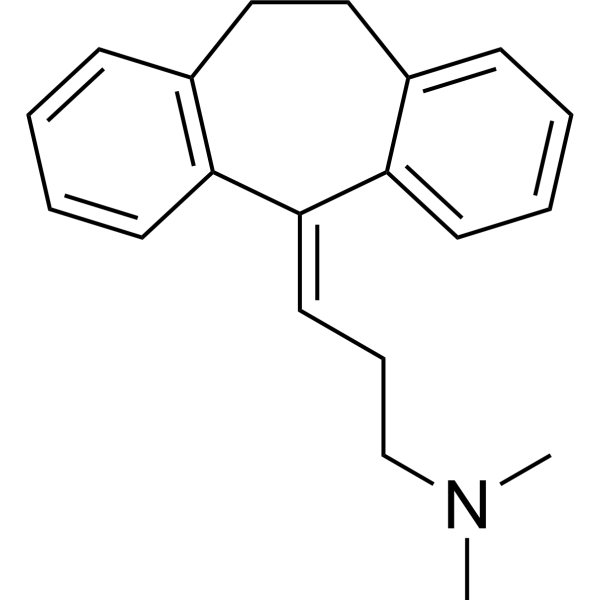 0 ImagesAmitriptyline is an orally active tricyclic antidepressant (TCA). Amitriptyline mainly exerts its antidepressant effect by blocking SERT (Ki = 3.45 nM) and NET (Ki = 13.3 nM), thereby increasing the concentrations of 5-hydroxytryptamine (5-HT) and norepinephrine (NE) in the synaptic cleft. Amitriptyline is also an agonist at α2A and TrkA/TrkB receptors, thereby exerting analgesic and neurotrophic activities (inhibiting cell apoptosis). Amitriptyline can reduce inflammation, angiogenesis and fibrosis. Amitriptyline binds to DAT (with Ki = 2.58 μM). Amitriptyline has high affinity for a series of receptors and can antagonize muscarinic cholinergic receptors (M1/M2/M3/M4/M5 receptors) (Ki = 11-24 nM), H1 receptors (Ki = 0.5-1.1 nM), adrenergic α1 receptors (Ki = 4.4 nM), etc., resulting in a series of side effects. Amitriptyline can block sodium channels and hERG potassium channel (IC50 = 4.78 μM) and it has cardiotoxicity.
-
Vinpocetine
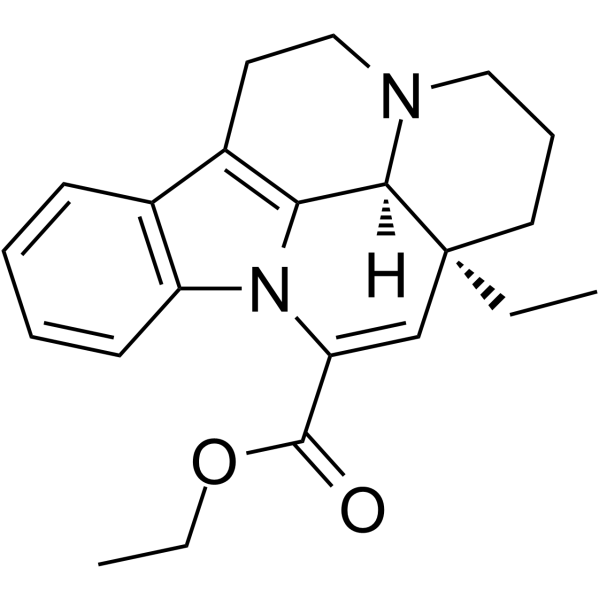 0 ImagesSynonyms: Ethyl apovincaminateVinpocetine (Ethyl apovincaminate) is a derivative of the alkaloid Vincamine that blocks voltage-gated Na+ channels. The IC50 value of Vinpocetine on direct IKK inhibition in the cell-free system is 17.17 μM. Vinpocetine is a phosphodiesterase (PDE) inhibitor and inhibits NF-κB-dependent inflammatory responses by directly targeting IκB kinase complex (IKK), and has been widely used for the treatment of cerebrovascular disorders.
-
Fluphenazine dihydrochloride
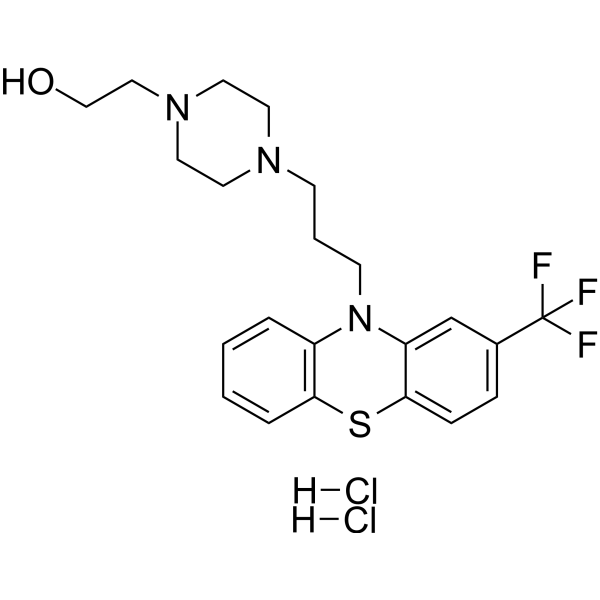 0 ImagesFluphenazine dihydrochloride is a potent, orally active phenothiazine-based dopamine receptor antagonist. Fluphenazine dihydrochloride blocks neuronal voltage-gated sodium channels. Fluphenazine dihydrochloride acts primarily through antagonism of postsynaptic dopamine-2 receptors in mesolimbic, nigrostriatal, and tuberoinfundibular neural pathways. Fluphenazine dihydrochloride can antagonize Methylphenidate-induced stereotyped gnawing and inhibit climbing behaviour in mice. Fluphenazine dihydrochloride can be used for researching psychosis and painful peripheral neuropathy associated with diabetes and has potential to inhibit SARS-CoV-2.
-
Ranolazine
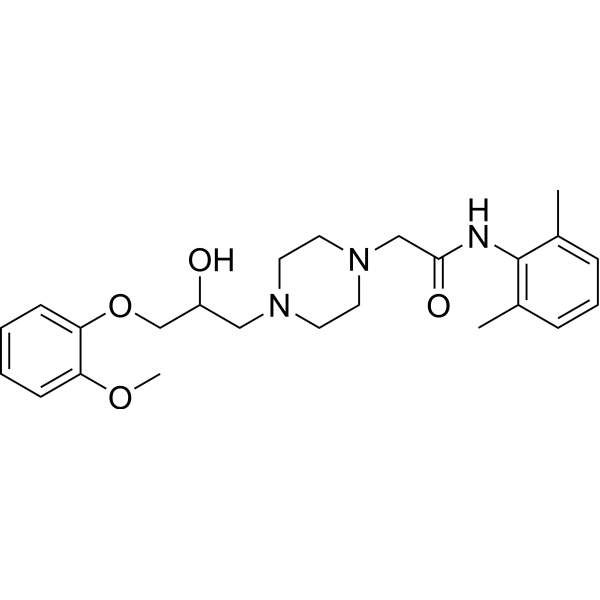 0 ImagesSynonyms: CVT 303; RS 43285-003Ranolazine (CVT 303) is an anti-angina drug that achieves its effects by inhibiting the late phase of inward sodium current (INa and IKr with IC50 values of 6 μM and 12 μM, respectively) without affecting heart rate or blood pressure (BP). Ranolazine is also a partial fatty acid oxidation (FAO) inhibitor. Antianginal agent.
-
Amitriptyline hydrochloride
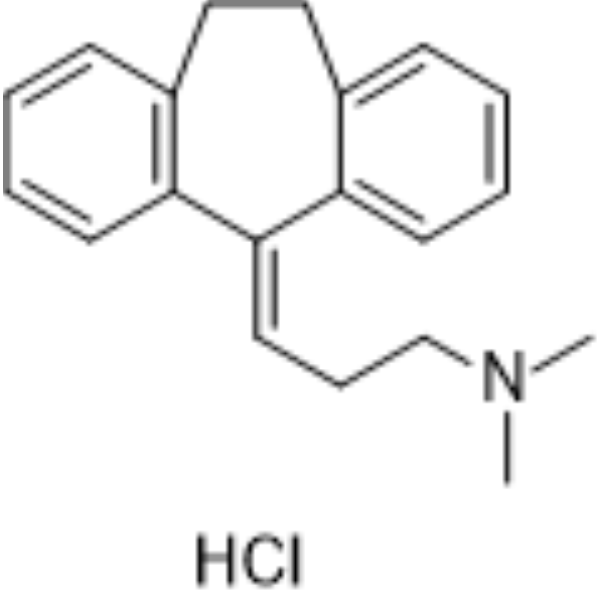 0 ImagesAmitriptyline hydrochloride is an orally active tricyclic antidepressant (TCA). Amitriptyline hydrochloride mainly exerts its antidepressant effect by blocking SERT (Ki = 3.45 nM) and NET (Ki = 13.3 nM), thereby increasing the concentrations of 5-hydroxytryptamine (5-HT) and norepinephrine (NE) in the synaptic cleft. Amitriptyline hydrochloride is also an agonist at α2A and TrkA/TrkB receptors, thereby exerting analgesic and neurotrophic activities (inhibiting cell apoptosis). Amitriptyline hydrochloride can reduce inflammation, angiogenesis and fibrosis. Amitriptyline hydrochloride binds to DAT (with Ki = 2.58 μM). Amitriptyline hydrochloride has high affinity for a series of receptors and can antagonize muscarinic cholinergic receptors (M1/M2/M3/M4/M5 receptors) (Ki = 11-24 nM), H1 receptors (Ki = 0.5-1.1 nM), adrenergic α1 receptors (Ki = 4.4 nM), etc., resulting in a series of side effects. Amitriptyline hydrochloride can block sodium channels and hERG potassium channel (IC50 = 4.78 μM) and it has cardiotoxicity.
-
Primidone
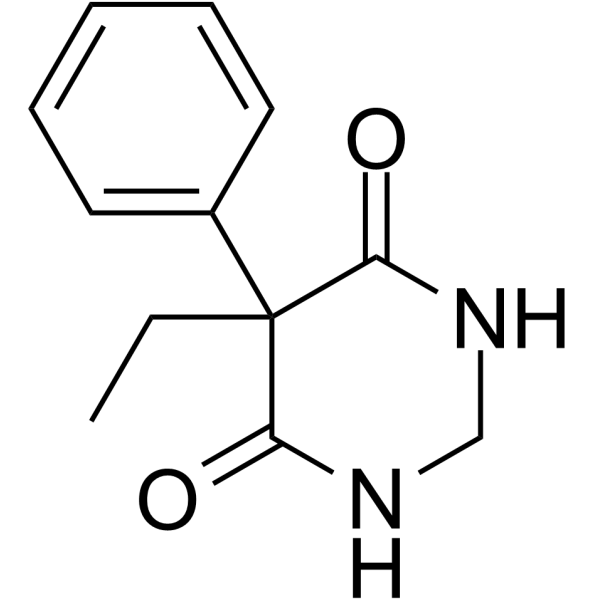 0 ImagesPrimidone is the orally active inhibitor for TRPM3 (IC50 = 0.6 μM), RIP kinase and voltage-gated sodium channel, and the antagonist for GABA receptor. Primidone can be used as the analgesic and anticonvulsant agent.
-
DSP-2230
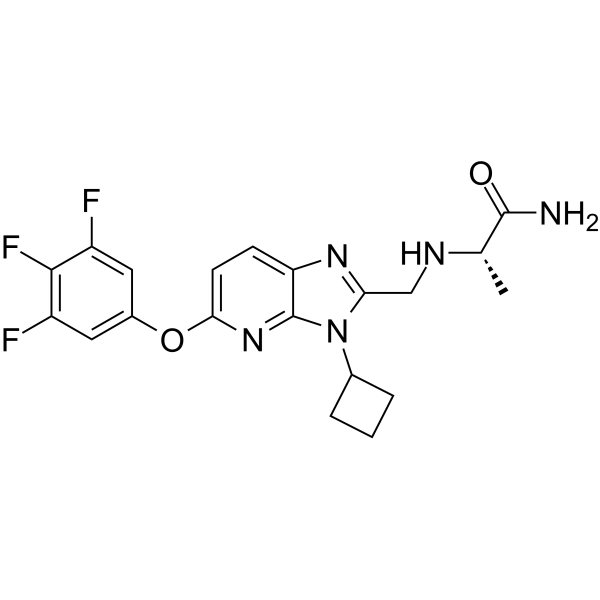 0 ImagesSynonyms: ANP-230DSP-2230 is the orally active inhibitor for voltage-gated sodium channel that inhibits Nav1.7-, Nav1.8-, and Nav1.9-derived sodium currents with IC50s of 7.1 μM, 11.4 μM and 6.7 μM, respectively. DSP-2230 can be used to improve neuropathic pain.
-
Atomoxetine hydrochloride
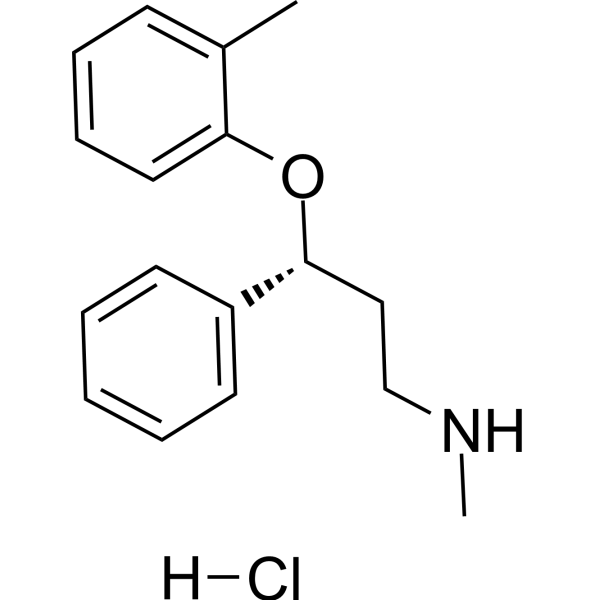 0 ImagesSynonyms: Tomoxetine hydrochloride; (R)-Tomoxetine hydrochloride; LY 139603Atomoxetine (Tomoxetine) hydrochloride is a selective noradrenaline reuptake inhibitor with Ki values of 5 nM, 77 nM and 1451 nM for norepinephrine (NE), serotonin (5-HT) and dopamine (DA) transporters, respectively. Atomoxetine hydrochloride is a potent Na+ channels (VGSCs) blocker. Atomoxetine hydrochloride can be used for attention-deficit hyperactivity disorder (ADHD) research.
-
TPC2-A1-P
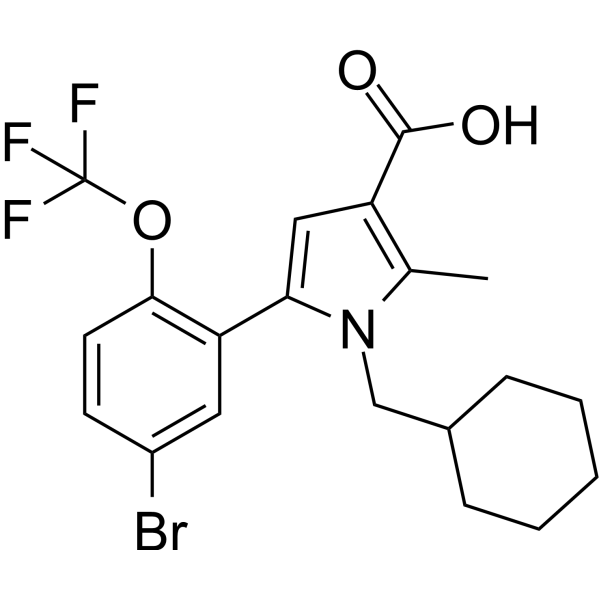 0 ImagesTPC2-A1-P is a powerful and membrane permeable agonist of two pore channel 2 (TPC2) with an EC50 of 10.5 μM. TPC2-A1-P plays its role by mimicking the physiological actions of PI(3,5)P2. TPC2-A1-P also shows higher potency to induce Na2+ mobilisation from TPC2 than TPC-A1-N (HY-131614). TPC2-A1-P can be used to probe different functions of TPC2 channels in intact cells.
-
Mexiletine hydrochloride
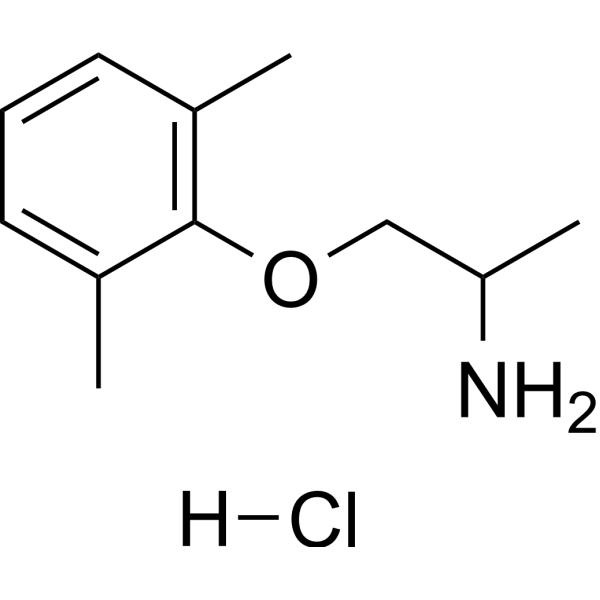 0 ImagesMexiletine is an orally effective antiarrhythmic agent which has also been found to be effective for myotonia and neuropathic pain. Mexiletine exerts its efficacy through blocking sodium channels (IC50 : 75±8 μM for tonic block, 23.6±2.8 μM for use-dependent block), therefore can be used for cardiovascular and neurological research.
-
5-(N,N-Hexamethylene)-amiloride
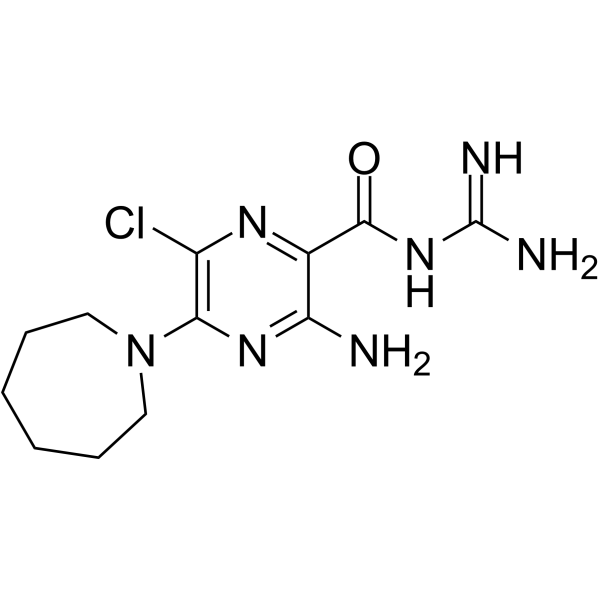 0 Images5-(N,N-Hexamethylene)-amiloride (Hexamethylene amiloride) derives from an amiloride and is a potent Na+/H+ exchanger inhibitor, which decreases the intracellular pH (pHi) and induces apoptosis in leukemic cells. 5-(N,N-Hexamethylene)-amiloride (Hexamethylene amiloride) is also an inhibitor of the HIV-1 Vpu virus ion channel and inhibits mouse hepatitis virus (MHV) replication and human coronavirus 229E (HCoV229E) replication in cultured L929 cells with EC50s of 3.91 μM and 1.34 μM, respectively.
-
Zandatrigine
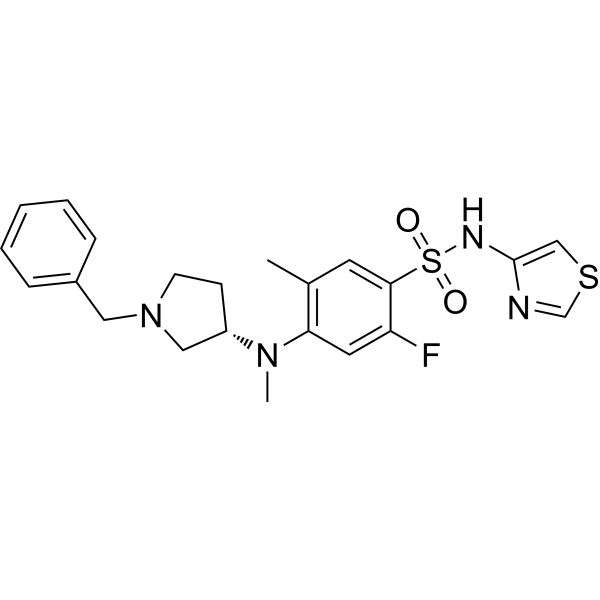 0 ImagesSynonyms: NBI-921352; XEN901Zandatrigine (NBI-921352; XEN901) is a selective, orally active, voltage-gated sodium channel NaV1.6/SCN8A inhibitor that can penetrate the blood-brain barrier. Zandatrigine inhibits sodium influx by non-covalently binding to the VSD4 structure of NaV1.6, blocking the persistent and resuscitative currents under pathological conditions. Zandatrigine can reduce neuronal hyperexcitability and reduce epileptic seizures. Zandatrigine is 134-756-fold selective for other isoforms such as NaV1.1 and NaV1.2, and has minimal effect on NaV1.1 expressed by inhibitory interneurons. Zandatrigine can be used to study NaV1.6-mediated neuroexcitability diseases such as SCN8A-related developmental epileptic encephalopathy (SCN8A-DEE) and adult focal epilepsy.
-
Flecainide acetate
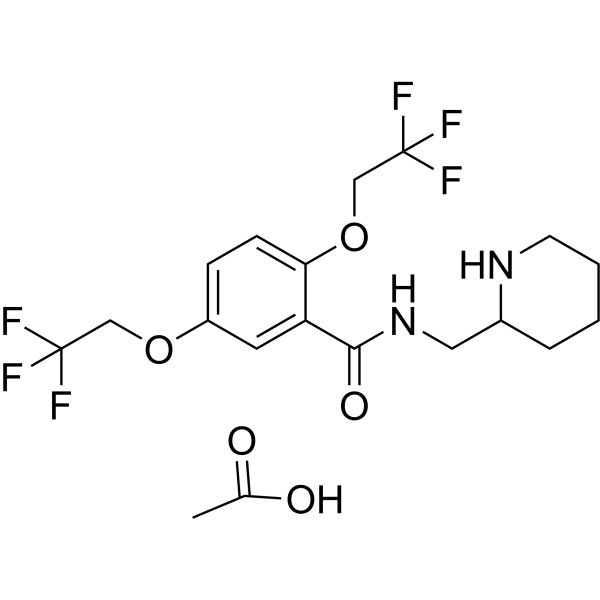 0 ImagesSynonyms: R-818Flecainide acetate (R-818) is a class 1C antiarrhythmic agent especially used for the management of supraventricular arrhythmia; works by blocking the Nav1.5 sodium channel in the heart, causing prolongation of the cardiac action potential.
-
Rufinamide
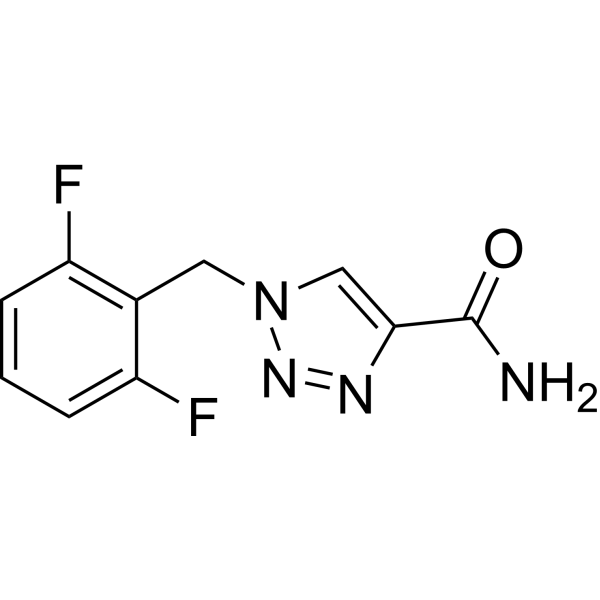 0 ImagesSynonyms: CGP 33101; E 2080; RUF 331Rufinamide (CGP 33101) is an orally active antiepileptic compound that inhibits Na+ current activation, inhibits neuronal hyperexcitability, and has anticonvulsant effects. Rufinamide is used in the study of Lennox-Gastaut syndrome.
-
ICA-121431
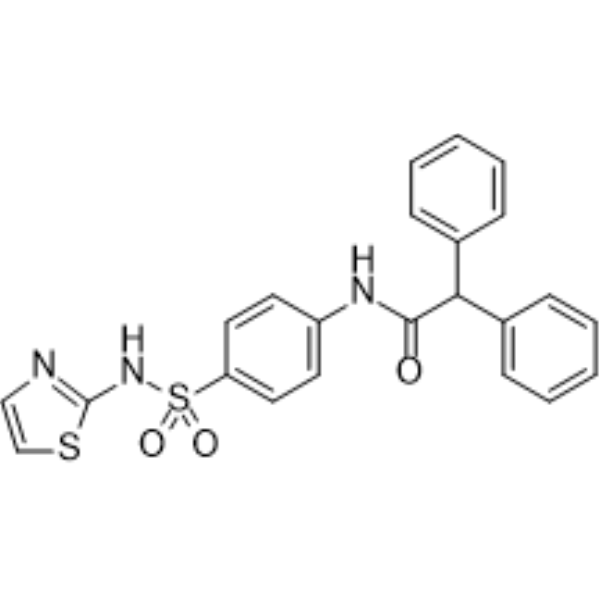 0 ImagesICA-121431 is a nanomolar potent and broad-spectrum voltage-gated sodium channel (Nav) blocker, shows equipotent selectivity for human Nav1.1 and Nav1.3 subtypes with IC50 values of 13 nM and 23 nM, respectively. ICA-121431 shows less potent inhibition of Nav1.2 (IC50=240 nM) and 1,000 fold selectivity against Nav1.4, Nav1.6, and the TTX-resistant human Nav1.5 and Nav1.8 channels (IC50s >10 μM).
-
Quinacrine
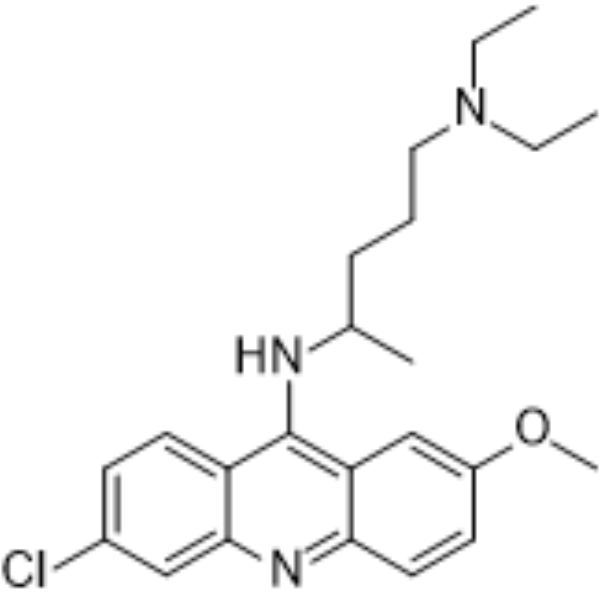 0 ImagesQuinacrine (Acriquine) is an antimalarial and anti-cancer agent. Quinacrine also inhibits human aldehyde oxidase (IC50: 3.3 μM). Quinacrine has affinity for nucleic acids, and stains DNA and RNA in fixed cells (Ex/Em: 436/525 nm).
-
Riluzole hydrochloride
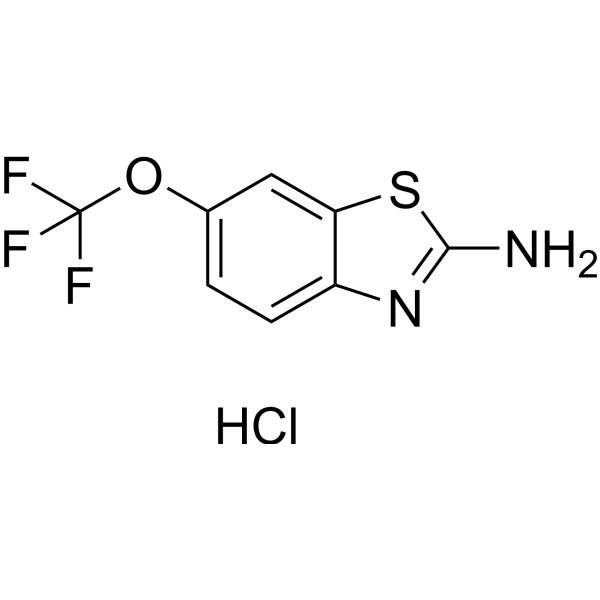 0 ImagesSynonyms: PK 26124 hydrochlorideRiluzole hydrochloride is an anticonvulsant agent and belongs to the family of use-dependent Na+ channel blocker which can also inhibit GABA uptake with an IC50 of 43 μM.
-
ATX-II TFA
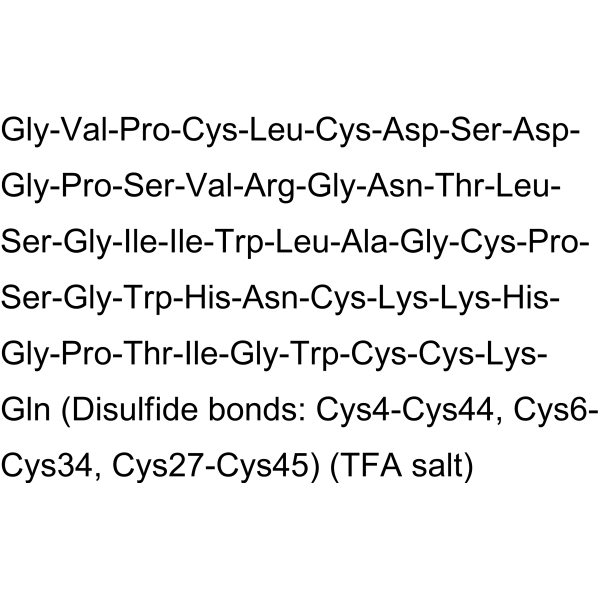 0 ImagesCat. No.: HY-P1604APurity: 99.65%ATX-II TFA is a selective sodium channel modulator toxin. ATX-II TFA enhances late sodium current, prevents full sodium channel inactivation, and generates persistent current fractions. ATX-II TFA has pro-arrhythmic effect. ATX-II TFA slows intrinsic heart rate, prolongs QT interval and sinus node recovery time, and causes sinus pauses and arrests. ATX-II TFA can be used for the research of atrial fibrillation, long QT syndrome, and long QT3 syndrome.
-
Ranolazine dihydrochloride
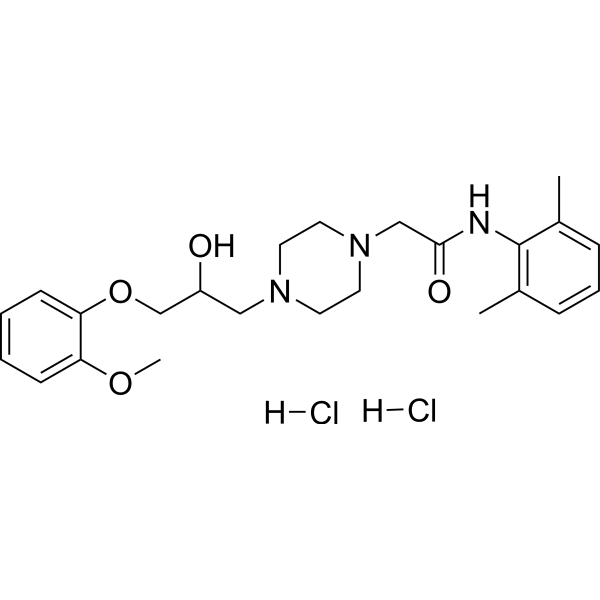 0 ImagesSynonyms: CVT 303 dihydrochloride; RS 43285Ranolazine dihydrochloride (CVT 303 dihydrochloride) is an anti-angina agent that achieves its effects by inhibiting the late phase of inward sodium current (INa and IKr with IC50 values of 6 μM and 12 μM, respectively) without affecting heart rate or blood pressure (BP). Ranolazine dihydrochloride is also a partial fatty acid oxidation inhibitor.




